
 Canada
 U.S.A.
 Chile
 Bolivia
 China
 HK SAR
 Japan
 Korea
 Singapore
 Thailand
 Philippines
 测试国家
 Germany
 Russia
 Spain
 Sweden
 France
 Luxembourg
 U.K.
 New Zealand
 Australia
 Zimbabwe
 Botswana


 返回



Natalie C.
President & Co-Founder, China Chapter of ProProBono.com, a global community service website
Hi, I am Natalie C., a 17 year-old Shanghai high school student, who joined ProProBono to help many of our city residents who may not be as technologically saavy to access local medical, social and legal resources from the ever-expanding internet.
I love literature, art, movies, philosophy, sociology and anything that tickles my intellectual curiosity. Once, I studied French for 500 days so that I can read Les Misérables in its original language. It was well worth it, because as excellent as some of the translations were, they could not compare to the beauty of the language in the original French novel. If you are interested, following the resources content below, I have included some of the examples of my art work and writings in English and Chinese. Please join me as a contributor for proprobono and help many of our local citizens and expats in Shanghai. Thanks.
Social Services, Medical Services and Legal Services in Shanghai
PART 1: Social Service (Transportation, Financial Services, Education, Museums, Commonly used APPs):
Transportation:
Ⅰ. 到达上海以及从上海前往中国其他地区的公共交通信息Public transportation information for arriving in Shanghai and traveling from Shanghai to other areas of China:
1. 前往中国上海主要有两个机场There are two airports in Shanghai as below:
(1)上海浦东国际机场(简称:浦东机场/PVG),以国际及洲际航班为主,距离市中心30公里。Shanghai Pudong International Airport (Pudong Airport/PVG). It mainly handles international and intercontinental flights. It is 30 kilometers from the city centre.
地址:浦东新区祝桥镇迎宾大道6000号Address: No. 6000 Yingbin Avenue, Zhuqiao Town, Pudong New Area.
(2)上海虹桥国际机场(虹桥机场/SHA),以中国国内航线为主,距离市中心13公里Shanghai Hongqiao International Airport ( Hongqiao Airport / SHA). It mainly serves domestic flights within China. It is 13 kilometres from the city centre.
地址:长宁区程家桥街道虹桥路2550号Address: No. 2550 Hongqiao Road, Chengjiaqiao Subdistrict, Changning District.
2.从上海前往中国其他地区除了乘坐飞机,还可以乘坐如下高铁To travel from Shanghai to other parts of China, besides taking a plane, you can also take the following high-speed trains:
(1)上海站,位于上海市中心静安区,在人民广场、南京路附近,主要有前往苏州、无锡、南京方向的短途高铁,部分前往北京、西安、重庆、武汉、成都普通速度列车Shanghai Railway Station, located in Jing'an District in the center of Shanghai, is People's Square and Nanjing Road. It mainly has short-distance high-speed trains heading to Suzhou, Wuxi and Nanjing, and some conventional-speed bound for Beijing, Xi'an, Chongqing, Wuhan and Chengdu.
(2) 上海虹桥站,与上海虹桥机场连接,上海最大高铁枢纽,主要是长途高速列车,包括前往中国北方地区,比如北京,前往中国西南地区,比如成都、重庆、长沙等,还有在江苏、浙江省份地区的短途高速列车Shanghai Hongqiao Station is connected to Shanghai Hongqiao Airport. It is largest high-speed rail hub in Shanghai, mainly serving long-distance high-speed trains heading to northern China (such as Beijing), southwestern China (such as Cheng, Chongqing, Changsha, etc.), and short-distance high-speed trains in Jiangsu and Zhejiang provinces.
(3)上海南站,主要是以往上海以南地区,比如福建、江西等地区的线路列车为主Shanghai South Railway Station mainly serves trains heading to areas south of Shanghai, such as Fujian and Jiangxi province.
Ⅱ. 上海市内交通Guide to Shanghai Metro
1. 对于游客而言,在上海出行最便捷的方式是使用手机扫码。这样既无需排队购票,又能享受换乘优惠。以下展示如何通过支付宝获取交通卡(地铁和公交通用)How to Take the Shanghai Subway? For tourists, the most convenient way to get around in Shanghai is to use mobile phone QR code scanning. This way, you don't have to wait in line to buy a ticket and can also enjoy transfer discounts. Below shows the how to obtain a transportation card (valid for both subway and bus) via Alipay.
2. 先打开支付宝应用。在主页选择“出行”,或者直接搜索“地铁”。按照步骤选择并激活您的交通卡,之后就可以使用二维码进出上海地铁的闸机了First, open the Alipay app. Select "Travel" on the homepage or directly search for "Metro". Follow the steps to select and activate your transportation card, and then you can use the QR code to enter and exit the turnstiles of Shanghai Metro.
3. 提示:若您有微信,可通过相同流程在微信小程序里领取卡。除上海外,您也可通过相同流程在支付宝和微信领取其他城市的交通卡(如北京、杭州、苏州等)Tips: If you have WeChat, you can follow the same process to get a transportation card in the WeChat Mini Program. Besides Shanghai, you can also use the same process to obtain transportation cards for different cities (such as Beijing, Hangzhou, Suzhou, etc.) on Alipay and WeChat.
Financial Services
上海金融数字化程度很高,但现金依然通用。对大多数外国人来说,最实用的配置是:境外银行卡绑定支付宝/微信支付/银联旅行通卡用于日常消费;仅当你在上海长期生活、工作或学习时,再开设人民币银行账户Shanghai is highly digital, but cash still works. For most foreigners, the smart setup is: overseas card Alipay/WeChat Pay/UnionPay Tour Card for daily spending, and a Chinese RMB account only if you live, work, or study here.
1.主要金融服务机构Main financial service providers
国有银行:中国银行(BOC)、工商银行(ICBC)、建设银行(CCB)、农业银行(ABC)、交通银行(BoCom)。--中国银行和工商银行对外国护照持有者最友好 State-owned banks: Bank of China (BOC), ICBC, China Construction Bank (CCB), Agricultural Bank of China (ABC), Bank of Communications (BoCom) .--BOC and ICBC are usually the most foreign-passport friendly.
股份制银行:招商银行(CMB)、浦发银行(SPDB)、中信银行等。--招商银行App体验较好;浦发银行在机场设有旅行/电子钱包卡及外币兑换机Joint-stock banks: China Merchants Bank (CMB), Shanghai Pudong Development Bank (SPDB), CITIC, etc. →CMB has a good app experience; SPDB runs airport travel/e-money cards and foreign-currency machines.
外资/国际银行:汇丰中国(HSBC China)、渣打银行(Standard Chartered)。如果你已是它们的全球客户会更方便;部分要求提供居留许可或较高存款门槛Foreign / international banks: HSBC China, Standard Chartered.--Better if you already bank with them globally; some require residence permit / higher balance.
支付平台:支付宝、微信支付、银联云闪付。--不是银行,但却是商店、出租车、餐厅、地铁扫码支付的主要方式Payment platforms: Alipay, WeChat Pay, UnionPay Cloud Flash Pay (Yunshanfu).--Not banks, but the main way to pay in shops, taxis, restaurants, and metros.
机场/酒店兑换点:浦东机场、虹桥机场、主要酒店、持牌兑换柜台、自助外币兑换机Airport / hotel exchange: Pudong & Hongqiao airports, major hotels, licensed exchange kiosks, self-service currency exchange machines.
2.货币兑换(游客适用)Currency exchange (tourists)
最优汇率:市区的中国银行/工商银行柜台,工作日早上办理。汇率接近官方牌价;机场和酒店柜台虽方便但汇率较差Best value: Bank of China / ICBC counter in town, passbook/ID ready, weekday morning. Rates are close to official; airport/hotel counters are convenient but worse.
机场兑换:仅适合兑换少量启动资金(约300–500元)。浦东/虹桥机场有柜台和自助兑换机;浦发机场机器支持多种外币,且可取出小面额纸币Airport: Good for a small starter amount only (≈ ¥300–500). Pudong/Hongqiao have counters and self-service machines; SPDB machines at airports can exchange many currencies and give small notes.
酒店兑换:方便但汇率较差,通常仅对住客开放Hotels: Convenient but worse rate; usually for guests only.
境外卡取现ATM:中国银行、工商银行、建设银行、农业银行的许多ATM支持Visa / Mastercard / UnionPay / Amex / JCB。请选择提取人民币,而非你本国货币。ATMs with foreign cards: Bank of China, ICBC, CCB, ABC accept Visa / Mastercard / UnionPay / Amex / JCB on many machines. Withdraw RMB, not your home currency.
3.无中国银行账户的日常支付(短期游客)Daily payment without a Chinese bank account
短期游客通常不需要开设中国银行账户Short-term visitors usually do not need a Chinese bank account.
将境外Visa / Mastercard / Amex / JCB卡绑定支付宝或微信支付--在大多数商铺扫码支付。Link overseas Visa / Mastercard / Amex / JCB to Alipay or WeChat Pay --scan QR codes in most shops.
使用银联云闪付App中的银联旅行通卡:用境外卡充值,在中国境内消费,无需本地账户Use UnionPay Tour Card in the UnionPay / Yunshanfu app: top up with an overseas card, pay in China, no local account needed.
在上海地铁和许多商户,可直接刷符合条件的境外卡Tap eligible overseas cards on Shanghai Metro and many merchants.
备好300–1000元现金,用于小摊贩、寺庙、出租车或手机没电的情况。Keep ¥300–1000 cash for small vendors, temples, taxis, or dead-phone moments.
4.开设中国银行账户(长期生活/工作/留学)Opening a Chinese bank account (for living/working/studying)
必须本人亲临银行网点办理,持旅游签证者可能被限制或拒绝开户;持工作/学生/居留许可者开户较顺利You must go in person to a branch. Tourist-visa applicants may get limited or declined; work/student/residence-permit holders open easily.
常见所需材料Common documents:
护照(通常需剩余有效期6个月以上)Passport (usually valid 6+ months).
有效中国签证 / 居留许可 Valid Chinese visa / residence permit.
本人实名登记的中国手机号 China mobile number registered in your own name.
地址证明:租房合同、酒店预订、临时住宿登记单、单位/学校证明信 Address proof: lease, hotel booking, temporary residence registration, employer/university letter.
工作合同 / 录取通知书(如适用)Work contract / school admission letter if applicable.
少量现金用于初始存款(部分银行0–100元)Small cash amount for initial deposit (sometimes ¥0–100) .
对外国人较友好的选择Foreigner-friendly choices:
中国银行--外汇业务经验最丰富 Bank of China is strongest foreign-exchange experience
工商银行--网点与ATM覆盖广 ICBC– huge ATM/branch network
招商银行--App体验好,部分网点可当天领卡 China Merchants Bank – good app, some branches issue card same day
交通银行--对外国人简化开户流程较友好Bank of Communications–easier simplified onboarding for some foreigners
开户后你会得到一张银联借记卡,开通手机银行,并可绑定支付宝/微信支付After opening: you get a UnionPay debit card, mobile banking, and can link it to Alipay/WeChat Pay.
5.存取款Withdrawing and depositing cash
用境外卡取人民币:中国银行/工商银行/建设银行ATM。单笔限额通常2500–3000元;每日上限取决于你的发卡行。中国ATM运营商收费约10–30元/笔;你的本国银行可能额外收费Withdraw RMB with overseas card: Bank of China / ICBC / CCB ATMs. Limits are commonly ¥2,500–3,000 per withdrawal; daily cap depends on your home bank. Chinese ATM operator fee is often ¥10–30; home bank may add more.
用中国银行卡取现:任意银联ATM;同行ATM通常免费Withdraw with Chinese card: any UnionPay ATM; own-bank ATMs usually free.
现金存款:前往银行网点的存取款机或柜台;许多网点机器在营业时间内支持存款Deposit cash: go to a bank branch cash machine or counter; many standalone machines accept deposits during branch hours.
零钱需求:可在银行柜台索要“零钱包”内含5元/10元/20元纸币及硬币,方便日常小额支付Small change: ask for a “零钱包 / change wallet” at a bank counter useful for ¥5/¥10/¥20 and coins.
上海法规保障现金支付:商户一般不得拒收人民币现金Shanghai law protects cash payments: shops generally cannot refuse RMB cash.
6.跨境汇款Sending / receiving money
接收工资/租金/转账:拥有中国人民币账户最方便Receive salary / rent / transfers: Chinese RMB account is easiest.
从境外收款:通过SWIFT汇入你的中国账户;银行会询问汇款人信息及资金用途Receive from abroad: SWIFT transfer to your Chinese account; bank asks for sender details and purpose.
向境外汇款:银行电汇或持牌汇款机构。个人每年有等值5万美元的购汇/结汇额度;大额汇款需提供证明材料(工资单、完税证明等)Send abroad: bank wire or licensed remittance services. Individuals have an annual FX quota of US$50,000 equivalent; larger amounts need documents (salary proof, tax certificate, etc.).
Wise / Revolut:适合入境前资金调度或跨境转账,但不能替代中国账户接收本地工资Wise / Revolut: great for funding spending before arrival or moving money between some jurisdictions, but not a substitute for a Chinese account for local salary.
7.实用推荐配置Practical recommended setup
开通国际漫游,或办理中国联通/移动/电信SIM卡 Roaming SIM or China Unicom/Mobile/Telecom SIM.
支付宝/微信支付绑定境外卡 Alipay / WeChat Pay with overseas card.
银联旅行通卡作为备用 UnionPay Tour Card as backup.
备500元现金 + 一张境外卡用于应急取现 ¥500 cash + one overseas-card ATM withdrawal for emergency.
新居民/工作者/留学生:New resident / worker / student.
办理本人实名中国手机号Local SIM in your name.
完成临时住宿登记 / 准备租房证明 Temporary residence registration / lease proof.
在中国银行/工商银行/招商银行开户 BOC / ICBC / CMB account.
将银行卡绑定支付宝+微信支付 Link card to Alipay + WeChat Pay.
保留一张境外卡作为备用 Keep one overseas card as backup.
学几个基础中文词汇:取钱(withdraw)、存钱(deposit)、换钱(exchange)、密码(PIN/password)Learn basic Chinese bank words: 取钱 qǔqián (withdraw), 存钱 cúnqián (deposit), 换钱 huànqián (exchange), 密码 mìmǎ (PIN/password).
Education
Ⅰ.上海本地居民:上海市教育体系与入学资源指南(含幼儿园—高中)Shanghai Local Residents: Guide to Shanghai Education System & School Enrollment Resources (Ages Kindergarten–High School)
在上海,本市户籍或持有上海居住证的家庭,孩子通常走“公办为主、民办补充、国际/双语可选”的路径In Shanghai, families with local hukou or Shanghai Residence Permit usually follow a path where “public schools are primary, private schools supplementary, and international/bilingual options optional.”
1.上海基础教育分几类 how Shanghai basic education is divided
• 公办幼儿园/小学/初中:按“人户一致、就近入学”排位Public kindergartens / primary / junior high: prioritized by “resident status matches household registration, nearby enrollment”.
• 民办幼儿园/中小学:自主招生、学费较高、部分有特色课程Private kindergartens / schools: independent enrollment, higher fees, some with special curricula.
• 公办国际部/中外合作项目:部分高中段有,义务段极少Public international divisions / Sino-foreign programs: mostly at high-school level, very few in compulsory education.
• 外籍人员子女学校:一般只招外籍/港澳台,本地户籍通常不能读Schools for foreign nationals: usually only foreign/HR/Macao/Taiwan children; local hukou students generally cannot attend.
• 中本贯通/中高职/职校:中考后另一条升学通道Secondary-vocational / applied pathways: another route after the Zhongkao (junior high exam).
2. 幼儿园(3–6 岁)Kindergartens (ages 3–6)
• 公办园:便宜、按街道/社区统筹,热门园要“人户一致+入户年限” Public kindies: cheap, allocated by subdistrict/community; popular ones need “matching hukou address + years of residence”.
• 民办园:蒙特梭利、双语、艺术、体育特色多,月费几千到上万Private kindies: Montessori, bilingual, arts, sports features; monthly fees from a few thousand to over ten thousand.
• 示范园/一级园/二级园:上海有评级,家长可查“上海学前教育网” Demonstration / Level-1 / Level-2 kindies: Shanghai rates them; parents can check the “Shanghai Preschool Education Network”.
• 3岁入园,部分公办有托班(2–3 岁),但名额紧张Age 3 for kindergarten entry; some public schools have toddler classes (2–3), but slots are tight.
3.小学与初中(义务教育 6+3/5+4)Primary & Junior High (Compulsory education 6+3 / 5+4)
• 小学 5 年(上海多数)+ 初中 4 年,也叫“五四制” Primary 5 years (most of Shanghai) + junior high 4 years, also called the “5-4 system”.
• 公办入学:户籍地与居住地一致最稳,人户分离会被统筹 Public enrollment: hukou address = residence address is safest; hukou-residence mismatch leads to administrative placement.
• 民办摇号:热门民办小学/初中实行电脑随机录取,不是考试掐尖Private lottery: popular private primary/junior high use computer-random admission, not exam-based selection.
• 随迁子女:持上海居住证+社保,可统筹安排公办或政府购买学位民办Migrant children: with Shanghai Residence Permit + social security, can be placed in public schools or government-subsidized private seats.
• 中考方向从初中开始分:普高、中职、中本贯通、国际课程班From junior high, tracks diverge: regular high school, vocational, secondary-to-bachelor pathway, international-curriculum classes.
4. 高中与中考、高考High School, Zhongkao & Gaokao
• 初中毕业参加“初中学业水平考试”(中考),填志愿升入高中/中职After junior high, take the “Junior High Academic Proficiency Exam” (Zhongkao) and fill preferences for high school / vocational school.
• 市实验性示范性高中:上海中学、华师大二附中、复旦附中、交大附中、七宝中学等 Municipal demonstrative highs: Shanghai High School, No.2 High School affiliated to ECNU, Fudan Affiliated, Jiao Da Affiliated, Qibao High, etc.
• 区重点/普通高中:按区分配,竞争小于四校八大District-key / ordinary highs: allocated by district, less competitive than the “Big 4 / Top 8”.
• 国际课程班/中外合作:部分公办高中有 AP、A-Level、IB 方向,但义务段不能“裸读纯国际”International-curriculum / cooperation classes: some public highs offer AP, A-Level, IB; but pure international tracks are not allowed in compulsory years.
• 高考:上海卷,3+3 选科,春考+秋考两条路Gaokao: Shanghai paper, “3+3” subject choice, spring + autumn exam routes.
5. 本地家庭常用官方入口Common official portals for local families
• 上海义务教育入学报名系统(shrxbm.edu.sh.gov.cn):幼升小、小升初报名Shanghai Compulsory-Education Enrollment System: kindergarten-to-primary, primary-to-junior-high registration.
•上海招考热线(www.shmeea.edu.cn):中考、高考、艺体、专升本信息Shanghai Education Examination Authority site: Zhongkao, Gaokao, arts/sports, upgrading exams.
•随申办“教育”专区:居住证、人户分离、学区查询、入学预警Suishenban “Education” section: residence permit, hukou-residence split, school-zone query, enrollment alerts.
•各区教育局官网:对口地段、统筹规则、招生简章District education bureau sites: catchment areas, placement rules, admission notices.
•上海学前教育网:幼儿园评级、入园政策Shanghai Preschool Education Network: kindergarten ratings, enrollment policy.
6.学区房与统筹要懂School-zone housing & administrative placement
• “人户一致”= 户口在、房子在、监护人产权在,最优先“Matching hukou & residence” = hukou there, property there, guardian ownership there = highest priority.
• 入户年限:热门公办学区常卡“满 3 年/满 5 年” Years of residence: popular public zones often require “3 years / 5 years”.
• 五年一户:同一地址 5 年内只安排 1 个对口学位(多胞胎/二孩除外)One seat per 5 years: same address gets 1 catchment seat in 5 years (except twins/second child).
• 被统筹:人户分离、户口挂靠、晚报名,会被分到有空位的学校Being placed: mismatch hukou/residence, hukou-hosted address, late registration --assigned to schools with vacancies.
•学区房不等于保送,要看当年政策与预警A school-zone flat ≠ guaranteed admission; always check that year’s policy and alerts.
7. 民办/双语/国际怎么选(本地家庭视角)How local families choose private / bilingual / international
• 民办双语:中文不丢、英语加强,学费 8 万–20 万/年Private bilingual: keep Chinese, boost English, tuition RMB 80k–200k/year.
• 纯国际学校:本地户籍一般进不去,除非孩子持外籍/港澳台身份Pure international: local hukou usually blocked unless the child holds foreign/HR/Macao/Taiwan status.
• 高中国际班:中考后读 AP/A-Level/IB,未来申海外大学High-school international class: after Zhongkao, study AP/A-Level/IB, then apply overseas.
• 体制内牛校:冲四校八大、985/211,拼中考高考Top public track: aim for Big 4 / Top 8 and 985/211 via Zhongkao+Gaokao.
• 职校/中本贯通:不想卷高考,学技能、拿大专/本科通道Vocational / secondary-to-bachelor: skip Gaokao pressure, learn skills, get college/bachelor pathway.
8. 特殊群体与政策Special groups & policies
• 随迁子女:居住证+6 个月社保+合法稳定住所,可入公办或政府购买学位Migrant children: residence permit + 6-month social security + stable housing --public or subsidized private seat.
• 港澳台居民子女:可申港澳子弟学校、部分公办国际部、台商子女学校HR/Macao/Taiwan children: HK/Macao schools, some public international divisions, Taiwan-business children’s school
• 残疾/特需儿童:特教中心、随班就读、送教上门三种安置Children with disabilities / special needs: special-ed center, inclusive class, or home/visit teaching.
• 多孩家庭:上海鼓励“长幼随学”,二孩三孩可优先跟哥哥姐姐同校 Multi-child families: Shanghai encourages “siblings together”; younger kids may prioritize the older sibling’s school.
9. 费用参考(本地家庭)Cost reference (local families)
• 公办幼儿园:每月几百到一千多元(市级示范园稍贵)Public kindergarten: a few hundred to just over 1,000 RMB/month (city demonstration slightly higher).
• 公办中小学:免学费,只收杂费/餐费/校服/活动费Public primary/junior high: tuition-free; only misc/meals/uniforms/activities.
• 民办幼儿园:3 万–15 万/年Private kindergarten: RMB 30k–150k/year.
• 民办中小学:8 万–20 万+/年Private primary/junior high: RMB 80k–200k+/year.
• 高中国际班:12 万–25 万/年High-school international class: RMB 120k–250k/year.
• 补习/素养课另算:学科、科创、体育、艺术按需Tutoring / enrichment extra: academic, STEM, sports, arts as needed.
10. 一句话总结One-line summary
上海本地家庭:先盯“人户一致+学区预警”,义务段公办最稳,民办靠摇号,高中再分高考/国际/职教三条路。 For Shanghai local families: first watch “matching hukou & residence + school-zone alerts”; public is safest in compulsory years, private relies on lottery, and after high school the road splits into Gaokao / international / vocational.
别只问“哪所学校最好”,要先问“孩子身份、户口、房子、未来去哪、中文要不要保”。 Don’t only ask “which school is best”; first ask “what is the child’s status, hukou, housing, future destination, and whether Chinese must be kept.”
Ⅱ.外国人到上海生活定居:子女教育入学指南(含 K12 国际学校)Guide to Education & School Enrollment in Shanghai for Foreign Families (Including K12 International Schools)
在上海,外国人或港澳台居民子女通常走两条路:In Shanghai, children of foreigners or Hong Kong/Macao/Taiwan residents usually take one of two paths:
1. 外籍人员子女学校 / 国际学校(最主流,全英文或双语,K2 起可入读)Schools for foreign nationals / international schools (the most common; fully English or bilingual; admit from K2) .
2. 公办学校国际部 / 民办双语学校(部分接受外籍,课程中西融合)International divisions of public schools / private bilingual schools (some accept foreigners; curricula blend Chinese and Western approaches) .
注:K2 在上海国际学校体系里通常指 2–3 岁幼儿班(Pre-K / Nursery / 两岁班),不是小学二年级。 Note: In Shanghai’s international school system, K2 usually means a 2–3-year-old pre-kindergarten / nursery class (Pre-K / Nursery / two-year-old class), not Grade 2 of primary school.
1. 谁能读“纯国际学校”Who can attend a “pure international school”
上海“外籍人员子女学校”一般只招Shanghai’s “schools for foreign nationals” generally admit only:
• 外籍护照持有者Holders of foreign passports.
• 港澳台居民子女Children of Hong Kong, Macao, and Taiwan residents.
• 少数情况:中国籍但境外出生/持海外居留并在境外就读过(各校正策不同)In rare cases: Chinese nationals born abroad / holding overseas residence and previously educated abroad (policies differ by school).
纯外籍校不招普通内地户籍学生Pure-foreign-national schools do not admit students with ordinary mainland hukou.
内地家庭通常只能选民办双语/公办国际部Mainland families usually can only choose private bilingual schools / public international divisions.
2. 上海常见开设 K2 / 幼儿部的国际学校Common international schools in Shanghai with K2 / early-years programs
上海耀中外籍人员子女学校(YCIS Shanghai)Yew Chung International School of Shanghai (YCIS Shanghai) .
• 校区:浦西荣华/古北、浦东御翠园/世纪公园、临港Campuses: Ronghua/Gubei in Puxi; Yucuiyuan/Century Park in Pudong; Lingang
• 招收:2 岁(K2)–18 岁Ages: 2 years old (K2) – 18 years old
• 特点:中英双教师制,中外文化融合,幼教重视全人发展、品格与双语沉浸;高中走 IGCSE + IBDP,也有 HKDSE • Features: co-teaching by Chinese and Western teachers; integration of Chinese and Western cultures; early years emphasize whole-child development, character, and bilingual immersion; high school offers IGCSE + IBDP, and also HKDSE
• 适合:想孩子中英文都扎实、未来英美/香港/内地双向发展的家庭 Best for: families who want their children to be solid in both Chinese and English, with future pathways in the UK/US, Hong Kong, or mainland China
上海美国学校(Shanghai American School, SAS)Shanghai American School (SAS)
• 校区:浦西、浦东Campuses: Puxi, Pudong
• 招收:Pre-K3 起Ages: from Pre-K3
• 特点:美式 K–12,AP/美国课程体系,课外活动强,北美升学路径成熟Features: American K–12, AP / US curriculum system, strong extracurriculars, mature North America university pathway
• 适合:美籍家庭、计划回美国或申北美大学Best for: American families, families planning to return to the US or apply to North American universities
上海协和国际外籍人员子女学校(Concordia)Concordia International School Shanghai
• 位置:浦东碧云国际社区Location: Biyun International Community, Pudong.
• 特点:美式 K–12,家校氛围浓,STEM、艺术、体育强,新加坡数学元素Features: American K–12, strong home-school community feel, strong STEM/arts/sports, Singapore Math elements.
• 适合:驻沪外籍高管/传教/教育家庭,偏“社区型快乐学校”Best for: expat executives / missionary / educator families in Shanghai; leans toward a “community-style happy school” .
上海新加坡外籍人员子女学校(SSIS)Shanghai Singapore International School (SSIS)
• 位置:闵行Location: Minhang.
• 特点:新加坡课程体系,英文为主+中文课,IGCSE + IBDP,亚洲家长多(新马港台韩日)Features: Singapore curriculum, English-led with Chinese classes, IGCSE + IBDP, many Asian parents. (Singapore, Malaysia, HK, Taiwan, Korea, Japan) .
• 适合:重视数学/纪律/亚洲价值观的家庭Best for: families who value math, discipline, and Asian values.
上海长宁国际学校(SCIS)Shanghai Community International School (SCIS)
• 校区:虹桥、浦东Campuses: Hongqiao, Pudong .
• 特点:美式 + 全 IB(PYP/MYP/DP),WASC 认证,老牌外籍校Features: American style + full IB (PYP/MYP/DP), WASC-accredited, long-established foreign-national school.
• 适合:多国混居家庭、IB 路线Best for: multinational families, IB pathway.
上海德威外籍人员子女学校(Dulwich)Dulwich College Shanghai.
• 位置:浦东Location: Pudong.
• 特点:英式,英国国家课程 + IGCSE + IBDP,戏剧/艺术/体育很强Features: British style, English National Curriculum + IGCSE + IBDP, very strong drama/arts/sports.
• 适合:英式教育偏好、申英澳加Best for: those who prefer British education, applying to the UK/Australia/Canada.
上海惠灵顿外籍人员子女学校(Wellington)Wellington College International Shanghai
• 位置:前滩/耀龙路一带Location: Qiantan / Yaolong Road area.
• 特点:英式精英气质,IPC/英国课程 + IGCSE + IBDP,设施豪华、费用高Features: British elite character, IPC / British curriculum + IGCSE + IBDP, luxurious facilities, high fees.
• 适合:预算高、重视全人+领导力+艺术体育的家庭Best for: high-budget families who value whole-person development + leadership + arts/sports.
上海哈罗外籍人员子女学校(Harrow)Harrow International School Shanghai
• 位置:浦东Location: Pudong.
• 特点:英式 EYFS 起,18 个月可入幼教,强调领导力、英式院舍文化Features: British EYFS from 18 months, emphasizes leadership and British house culture.
• 适合:英式寄宿/绅士教育偏好Best for: those who prefer British boarding / gentlemanly education
3. K2 阶段一般怎么教?How is K2 usually taught?
国际学校 K2 不是“上课背单词”,而是: International-school K2 is not “sit in class and memorize words,” but rather:
• 玩中学(Play-based / Inquiry-based)Learning through play (Play-based / Inquiry-based).
• 中英文各一位主班老师或外教+中教One lead Chinese teacher and one lead foreign teacher, or foreign + Chinese co-teachers.
• 社交、情绪、如厕、吃饭、分享、规则感Social skills, emotions, toilet independence, eating, sharing, sense of rules.
• 每天有故事时间、艺术、音乐、户外、感官游戏Daily story time, art, music, outdoor play, sensory games.
• 部分校开始接触字母、数数、颜色、形状,但不搞应试Some schools introduce letters, counting, colors, shapes—but no exam-driven teaching.
师生比常见1:6到1:8,耀中 K2 约1:8。Teacher-student ratios commonly run 1:6 to 1:8; YCIS K2 is about 1:8.
4. 入学材料(外籍家庭常见清单)Enrollment documents (common checklist for foreign families)
• 孩子护照+出生证明Child’s passport+birth certificate.
• 父母护照+上海居留许可/工作类签证Parents’ passports + Shanghai residence permit / work-type visa.
• 在沪住址证明(租房合同/房产证)Shanghai address proof (lease contract / property ownership certificate).
• 父母在沪工作证明(公司营业执照或雇佣信)Parents’ Shanghai employment proof (company business license or employment letter).
• 过往幼儿园记录(如有)Previous kindergarten records (if any).
• 申请费(几千元不等)、照片、疫苗接种记录Application fee (a few thousand RMB), photos, vaccination records.
• 部分学校安排:孩子面谈/观察课+家长面谈Some schools arrange: child interview / observation class + parent interview.
K2 一般不笔试,看孩子语言理解、社交、情绪调节、能不能离开家长。 K2 usually has no written test; schools observe language comprehension, social skills, emotional regulation, and whether the child can separate from parents.
5. 费用大致区间(2025–2026参考)Approximate fee ranges (2025–2026 reference)
• K2 / 幼儿部:13 万–25 万人民币/年 常见K2 / early years: commonly RMB 130k–250k per year.
• 小学:25 万–35 万/年Primary: RMB 250k–350k per year.
• 中学(IGCSE/IB/AP):30万–40万+/年Secondary (IGCSE/IB/AP): RMB 300k–400k+ per year.
• 另加:校车 2 万左右、餐费、校服、课外活动、考试费、押金Plus: school bus about RMB 20k, meals, uniforms, extracurriculars, exam fees, deposit.
耀中 K2 全日制约 24.6万/年,新加坡校 Toddler–K2约13–20万,惠灵顿/德威/哈罗偏高。 YCIS K2 full-day is about RMB 246k/year; SSIS Toddler–K2 about 130k–200k. Wellington/Dulwich/Harrow are on the higher side.
6. 一句话总结One-line summary
外籍孩子来上海,K2 阶段优先看耀中、SAS、Concordia、SSIS、SCIS、德威、惠灵顿、哈罗、西华、虹桥国际For foreign children coming to Shanghai, prioritize YCIS, SAS, Concordia, SSIS, SCIS, Dulwich, Wellington, Harrow, WISS, and HQIS at the K2 stage;
选校不是只看排名,而是看签证身份、住哪里、母语、未来申哪个国家、中文要不要保留School choice is not just about rankings—it depends on visa status, where you live, mother tongue, which country you aim to apply to, and whether Chinese should be retained.
Museums in Shanghai
1.上海博物馆Shanghai Museum (People’s Square Branch): 顶级古代艺术博物馆,馆藏文物超过102万件,以青铜器、陶瓷、书画、玉器闻名,是了解中华文明的重要窗口A top-tier museum of ancient Chinese art with over 1.02million collections. Famous for bronzes, ceramics, calligraphy and paintings. Permanent exhibitions are free but require advance booking.
2.中华艺术宫 China Art Museum: 上海最重要的近现代艺术殿堂,由2010年世博会中国馆改建,以“东方之冠”为标志,收藏展示海派绘画、近现代美术作品,多媒体版《清明上河图》是镇馆亮点,免费参观The premier art museum in Shanghai, converted from the China Pavilion of Expo 2010. Know for its Oriental Crown architecture. Houses modern and contemporary Chinese art, including the famous digital Along the River During the Qingming Festival. Free entry.
3.上海自然博物馆 Shanghai Natural History Museum: 国内顶尖自然博物,以恐龙骨架、动物标本、地球演化展览为特色,视觉冲击力强。周一闭馆A leading natural history museum in China. Highlights include dinosaur fossils, animal specimens and earth evolution galleries. Very visual and easy to understand without much Chinese. Closed on Mondays.
Commonly Used Apps
支付Payment: Alipay, WechatPay
出租车和导航Taxis&Navigation: Didi, Amap

机票酒店火车Tickets & Hotel&Train: Ctrip (Air), 12306(Train)
PART2: Medical Services
一、上海就医总览Overview of Medical Care in Shanghai
上海医疗分为两类Shanghai's medical care is divided into two main categories:
• 国际医院/诊所:英语服务、预约制、环境好、费用高,适合游客和外籍居民International hospitals/clinics – English-speaking, appointment-based, comfortable, expensive. Good for tourists and expats.
• 公立三甲国际部/特需部:专家强、费用低于国际医院,但流程偏中国本地,英语支持有限Public tertiary hospital international/VIP departments–strong specialists, cheaper than international hospitals, but more local workflow and limited English outside the international desk.
• 急诊打 120;国际医院有自有急诊;上海12345可提供多语种翻译协助For emergencies, dial 120. International hospitals have their own ERs. Shanghai 12345 offers multilingual phone interpretation.
二、国际医院International Hospitals
1.上海嘉会国际医院Jiahui International Hospital
• 地址:徐汇区桂平路 689 号Address: 689 Guiping Rd, Xuhui
• 电话:400-868-3000(24h)/ 021-5339-2888(急诊 ER)Tel: 400-868-3000 (24h) / 021-5339-2888 (Emergency ER)
• 特点:现代化国际医院,与美国麻省总医院(Massachusetts General Hospital)有合作;强项在儿科、妇产科、肿瘤、心内、全科、24 小时急诊Features: Modern international hospital, in collaboration with Massachusetts General Hospital; strengths in pediatrics, OB/GYN, oncology, cardiology, general practice, and 24-hour emergency care.
• 适合:家庭、长期居留、体检、复杂疾病协调治疗Best for: Families, long-term residents, health check-ups, and coordinated treatment for complex conditions.
2.上海和睦家医院Shanghai United Family Hospital (UFH)
• 地址:长宁区平塘路699号;浦东金桥新金桥路1598号Address: 699 Pingtang Rd, Changning; 1598 New Jinqiao Rd, Pudong Jinqiao.
• 电话:400-639-3900(长宁 24h)/浦东400-6393-900Tel: 400-639-3900 (Changning 24h) / Pudong 400-6393-900.
• 特点:老牌外籍医院,英语全程服务,儿科、妇产科、家庭医学、牙科、急诊强,和多家国际保险公司直付Features: Long-established expat hospital, full English service, strong in pediatrics, OB/GYN, family medicine, dentistry, and emergency care, direct billing with many international insurers.
• 适合:带娃家庭、日常看病、轻中度急诊Best for: Families with children, routine consultations, mild to moderate emergencies.
3.上海莱佛士医院Raffles Hospital Shanghai
• 地址:浦东新区圆照路200号Address: 200 Yuanzhao Rd, Pudong
• 电话:021-6129-3000Tel: 021-6129-3000.
• 特点:新加坡医疗体系,门诊周一至周六,设 24 小时急诊与住院;流程规范、团队协作式护理,企业外派人员常用Features: Singapore medical system, outpatient Mon–Sat, with 24-hour ER and inpatient care; standardized processes, team-based care, popular among corporate expats.
• 适合:驻沪外籍员工、体检、内科/外科/牙科/妇幼需求Best for: Expat employees in Shanghai, health screenings, internal medicine/surgery, dental, and maternal & child health needs.
4.其他常用国际机构Other Common International Clinics
• 百汇医疗 ParkwayHealth:多点诊所,全科/儿科/牙科/体检方便ParkwayHealth: Multiple clinics across the city, convenient for GP, pediatrics, dentistry, and check-ups.
• 曜影医疗 SinoUnited Health:高端门诊、健康筛查、内镜、心肺康复强SinoUnited Health: High-end outpatient services, strong in health screenings, endoscopy, and cardiopulmonary rehabilitation.
• 上海东和/东方国际医学中心:浦东性价比更高的涉外门诊Shanghai East International Medical Center: A more cost-effective option for expat outpatient care in Pudong.
三、公立医院(国际部/特需部)Public Hospitals (International / VIP Departments)
1.瑞金医院Ruijin Hospital
• 地址:黄浦区瑞金二路197号Address: 197 Ruijin 2nd Road, Huangpu
• 强项:内分泌、血液、烧伤、消化、重症、急诊;有国际医疗/特需渠道Strengths: Endocrinology, hematology, burn care, gastroenterology, critical care, and emergency medicine; offers international / VIP channels.
• 特点:综合实力极强,复杂病和疑难重症可挂国际部,再转专科专家Features: Extremely strong comprehensive capabilities; for complex or rare diseases, register at the international department first, then be referred to specialist experts.
2.华山医院Huashan Hospital
• 地址:静安区乌鲁木齐中路12号(另有虹桥、浦东院区)Address: 12 Middle Wulumuqi Road, Jing'an (also Hongqiao and Pudong branches)
• 强项:神经内/外科、皮肤科、手外科、感染、康复,全国知名Strengths: Neurology / neurosurgery, dermatology, hand surgery, infectious diseases, and rehabilitation — all nationally renowned.
• 特点:有涉外/国际医疗中心,神经和皮肤病尤其受外籍患者认可Features: Has a dedicated international medical center; particularly well-regarded by foreign patients for neurological and dermatological issues.
3.上海市第六人民医院Shanghai Sixth People's Hospital
• 地址:徐汇区宜山路600号Address: 600 Yishan Road, Xuhui.
• 强项:骨科(断肢再植、显微外科、关节重建)、内分泌代谢、耳鼻喉、超声;有国际医疗中心Strengths: Orthopedics (limb replantation, microsurgery, joint reconstruction), endocrine & metabolic diseases, ENT, and ultrasound; has an international medical center.
• 特点:外伤、骨折、运动损伤、糖尿病并发症首选公立之一Features: One of the top public choices for trauma, fractures, sports injuries, and diabetes complications.
4.其他值得知道Other Notable Public Hospitals
• 中山医院:心内、肝肿瘤、器官移植强 Zhongshan Hospital: Strong in cardiology, liver cancer, and organ transplantation.
• 仁济医院:消化、风湿、生殖/妇科内分泌强Renji Hospital: Leading in gastroenterology, rheumatology, and reproductive / gynecological endocrinology.
• 国际和平妇幼保健院:产科、妇科、儿科、辅助生殖。 International Peace Maternity & Child Health Hospital: Specializes in obstetrics, gynecology, pediatrics, and assisted reproduction.
四、怎么看病How to See a Doctor
• 小病/感冒/腹泻/皮疹:先去国际医院全科或百汇/曜影Cold, diarrhea, rash, mild infection --international hospital GP / Parkway / SinoUnited.
• 儿童发烧咳嗽:和睦家、嘉会儿科Child with fever/cough --UFH Pediatrics or Jiahui Pediatrics.
• 骨折/外伤/胸痛/卒中:打 120 或去有 24h ER 的医院(嘉会、和睦家、莱佛士、瑞金)Fracture, chest pain, stroke, major trauma --call 120 or go to a 24h ER (Jiahui, UFH, Raffles, Ruijin).
• 慢性病/专家复诊:公立医院国际部更划算Chronic disease / specialist follow-up --public hospital international department is more cost-effective.
• 带好:护照、签证、保险卡、既往病历、药名清单Bring: passport, visa, insurance card, past medical records, medication list.
• 付款:国际医院可直付(direct billing)或自费;公立医院国际部部分支持直付,普通门诊多先自费后理赔Payment: international hospitals accept direct billing or self-pay; public international desks may bill insurers, but regular outpatient often requires self-pay then reimbursement.
五、费用与保险Cost & Insurance
• 国际医院门诊:约 ¥700–2,200;急诊 ¥2,000–4,500+International hospital outpatient: approx. ¥700–2,200; ER ¥2,000–4,500+.
• 公立国际部:比国际医院低,但比普通门诊高Public international department: lower than international hospitals, but higher than regular outpatient.
• 普通公立门诊:便宜,但外语和排队体验不稳定Regular public outpatient: cheap, but foreign-language support and queuing experience are inconsistent.
• 建议外籍长期居留者买国际医疗保险;旅游者可买旅行医疗险It is recommended that long-term foreign residents buy international medical insurance; tourists can buy travel medical insurance.
六、一句话记住Quick Rule
• 游客/英语沟通/小病/孩子 --嘉会、和睦家、莱佛士Tourist / English communication needed / minor illness / children --Jiahui, UFH, Raffles.
• 复杂大病/名医/性价比 --瑞金、华山、六院国际部Complex major illness / top specialists / cost-effectiveness --Ruijin, Huashan, Sixth People's Hospital international department.
• 真急诊→120 或 24 小时 ER 医院Real emergency→120 or a hospital with a 24-hour ER.
PART3:Legal Services
Ⅰ.上海司法法律服务资源指南(面向中国国内居民)Shanghai Legal & Judicial Service Resources for Domestic Residents.
1. 遇到法律问题先找谁Who to turn to first when you have a legal problem
• 先判断是“咨询/调解/公证/仲裁/诉讼/法律援助”,再选对应渠道First decide whether you need advice / mediation / notarization / arbitration / litigation / legal aid, then pick the right channel.
• 普通民事纠纷(租房、欠钱、离婚、继承、邻里)可先去社区法律顾问或街镇公共法律服务站 For ordinary civil disputes (rent, debt, divorce, inheritance, neighbors), start with the community legal adviser or the subdistrict public legal service station.
• 涉及被公安机关传唤、拘留、刑事立案的,应尽快请有刑事辩护经验的执业律师If you are summoned, detained, or face criminal filing by the police, engage a licensed lawyer with criminal defense experience as soon as possible.
2.公共法律服务热点与平台Public legal service hotlines and platforms
• 12348:全国公共法律服务热线,提供法律咨询、法律援助指引,工作日人工接听为主12348: National public legal service hotline for legal consultation and legal-aid guidance, mainly staffed on working days.
• 12345:上海市民服务热线,可转办司法行政、公证、调解、律所投诉等事务12345: Shanghai citizen service hotline; can route matters on judicial administration, notarization, mediation, and lawyer complaints.
• 上海法律服务网/一网通办“法律服务”专区:可查律所、律师、公证处、法律援助机构、预约办理Shanghai Legal Service Network / "One-Net Service" legal section: search law firms, lawyers, notaries, legal-aid agencies, and book appointments.
• 随申办“法治上海”:可查普法资讯、人民调解、行政复议指南等"Rule of Law Shanghai" in Suishenban app: access legal popularization, people's mediation, and administrative reconsideration guides.
3. 法律援助(没钱请律师的情况)Legal aid (available even if you cannot afford a lawyer)
• 经济困难群众、农民工、残疾人、老年人、未成年人、军人军属等,符合条件可申请法律援助 Low-income residents, migrant workers, persons with disabilities, elderly, minors, and military families may apply if they meet the criteria.
• 请求支付劳动报酬、工伤赔偿、赡养费、抚养费、交通事故人身损害等常见事项通常在援助范围内Claims for wages, work-injury compensation, alimony, child support, and traffic accident injuries are commonly covered.
• 刑事案件中:犯罪嫌疑人、被告人是盲聋哑、未成年、可能判无期/死刑等情形,司法机关应通知法律援助律师In criminal cases: defendants who are blind/deaf/mute, minors, or may face life imprisonment/death penalty must be assigned legal-aid counsel.
• 申请渠道:区法律援助中心、街镇公共法律服务站、12348 转接Apply via district legal-aid centers, subdistrict public legal service stations, or through 12348.
4. 调解与行政复议Mediation and administrative reconsideration
• 邻里、物业、婚姻家庭、小额欠款、工地班组纠纷,先找人民调解委员会,不收费、速度快Neighbor, property, family, small-debt, and construction-team disputes can go first to the People's Mediation Committee—free and fast.
• 对政府部门处罚、拆迁认定、工伤认定、行政处罚不服,可申请行政复议或提起行政诉讼If you disagree with a government penalty, demolition determination, work-injury ruling, or administrative punishment, file administrative reconsideration or an administrative lawsuit.
• 行政复议一般向作出决定的上一级机关或区政府申请;起诉去有管辖权的法院行政庭Reconsideration is usually filed with the next-higher authority or the district government; lawsuits go to the competent court's administrative division.
5. 打官司:法院仲裁律师怎么选Going to court: how to choose courts, arbitration, and lawyers
• 普通民事/刑事/行政案去有管辖权的人民法院;上海有中级、高级以及知识产权、海事、金融专门法院Ordinary civil/criminal/administrative cases go to the competent People's Court; Shanghai also has intermediate, high, intellectual-property, maritime, and financial specialized courts.
• 合同纠纷若写了“上海仲裁委员会/上海国际仲裁中心”,一般先走仲裁,一裁终局、不公开If the contract says "Shanghai Arbitration Commission / Shanghai International Arbitration Center", arbitration usually comes first—final and confidential.
• 请律师看:执业证、专业方向、同类案件经验、委托合同收费条款、是否风险代理合规When hiring a lawyer, check: practice license, specialty, similar-case experience, fee terms in the engagement contract, and whether contingency fees are lawful.
• 别信“包赢”“包减刑”“法院有人”;正规律师不会承诺结果Avoid "guaranteed win", "guaranteed lighter sentence", "we know judges"—proper lawyers never promise outcomes.
6. 费用参考Common cost references
• 12348 咨询:免费 12348 consultation: free
• 人民调解:免费 People's mediation: free
• 法律援助:符合条件免律师费(部分代书/鉴定另计) Legal aid: lawyer fees waived if eligible (some drafting/expert fees separate)
• 公证:几百到一两千元/件,涉外+翻译+附加证明书另计 Notary: several hundred to ~1,000–2,000 RMB per item; foreign-related translation/apostille extra
• 律师费:按件、按标的额比例、按小时;风险代理在部分民事案件受限 Lawyer fees: flat fee, percentage of claim, or hourly; contingency fees are restricted in some civil matters
• 诉讼费:法院按《诉讼费用交纳办法》收,胜诉后可要求败诉方承担 Court fees: charged under the Measures for Payment of Litigation Fees; winning parties may shift costs to the loser
7. 上海本地常用入口Useful Shanghai-local entry points
• 区公共法律服务中心:提供咨询、法援、公证指引、调解转介 District public legal service centers: consultation, legal aid, notary guidance, mediation referral
• 街镇/村居法律顾问:家门口问小事 Subdistrict/village legal advisers: ask small issues close to home
• 上海法院诉讼服务网 / 人民法院在线服务(上海):网上立案、阅卷、缴费 Shanghai Courts Litigation Service Website / Online Court Service (Shanghai): e-filing, file review, fee payment
• 上海仲裁委、上海国仲:商事合同争议 Shanghai Arbitration Commission, SHIAC: commercial contract disputes
• 市/区司法局官网:查律所律师、投诉违规执业、查司法鉴定机构 Shanghai/District Justice Bureau websites: verify lawyers/firms, complain about misconduct, find forensic appraisal institutions
Ⅱ.上海法律服务指南(面向外国游客与常住人士)Shanghai Legal & Judicial Service Resources for Foreign Visitors and Residents.
1.外国人面对的法律体系How the legal system works for foreigners
• 在中国,只有持中国律师执业证的律师可以在中国法院代理案件或提交正式法律文书In China, only PRC-licensed lawyers can represent clients in Chinese courts or file formal legal documents.
• 外国律师可以就本国法律提供意见,但不能从事中国法律服务Foreign lawyers may advise on their home-country law, but cannot practice Chinese law.
• 外国人日常遇到的问题--签证、租房、劳动争议、开公司、离婚/继承、合同纠纷--通常需要会英语的中国律师事务所或涉外法律团队For everyday expat issues—visas, leases, labor disputes, company setup, divorce/inheritance, contracts—you usually need an English-speaking Chinese law firm or a foreign-related legal team.
2. 什么时候需要律师When you need a lawyer
• 工作签证 / 居留许可 / 与雇主纠纷Work visa / residence permit / employer dispute
• 租房、押金纠纷、审核租赁合同 Renting an apartment, deposit dispute, lease review
• 设立外商独资企业 / 代表处 / 合资公司Starting a WFOE / representative office / joint venture
• 签署商业合同、保密协议、经销协议Signing business contracts, NDAs, distribution agreements
• 中国商标注册 / 知识产权保护Trademark / IP protection in China
• 离婚、抚养权、跨境继承Divorce, child custody, cross-border inheritance
• 被拘留、罚款或涉及治安/刑事案件Being detained, fined, or involved in a police/criminal matter
• 解雇、欠薪、违法解除劳动合同Labor termination, unpaid salary, wrongful dismissal
• 提示:涉及治安/刑事案件时,请立即要求联系你的本国驻沪使领馆以及持有中国执业证的律师Tip: In a police/criminal case, ask immediately to contact your embassy/consulate and a PRC-licensed lawyer.
• 根据《维也纳领事关系公约》,你有权获得领事通知与协助Under the Vienna Consular Relations Convention, you have the right to consular notification and assistance.
3. 找懂英文的律师Finding an English-speaking lawyer
• 筛选要点Look for:
• 在上海市律师协会登记、有"涉外/跨境"业务的律所Shanghai Bar Association–registered law firms with a "foreign-related / cross-border" practice
• 静安、陆家嘴、新天地、虹桥、张江一带有较多涉外团队Firms in Jing'an, Lujiazui, Xintiandi, Hongqiao, and Zhangjiang
• 一定要有书面委托协议:服务范围、按小时/打包收费、沟通语言、不包含的事项Clear written engagement letter: scope, hourly/flat fee, language, what is NOT included
• 既能做中文行政申报,又能用英文沟通Ability to handle both Chinese-language filings and English communication
• 外籍客户常见业务Common practice areas for expats:
• 移民与签证合规Immigration & visa compliance
• 劳动与人事Employment & HR
• 房产与租赁Real estate / tenancy
• 公司与外商投资(WFOE、合资、代表处) Corporate & FDI (WFOE, JV, rep office)
• 知识产权与商标IP / trademarks
• 家事与继承Family law & inheritance
• 民事诉讼与仲裁(CIETAC 上海、上海国际仲裁中心)Civil litigation & arbitration (CIETAC Shanghai, SHIAC)
4. 公证处-国外人经常需要Notary offices-very important for foreigners
• 中国的公证由公证处办理,不是个人公证员盖章In China, notarization is done by public notary offices (公证处), not a freelance notary.
• 外国人常需公证Foreigners often need notarial certificates for:
• 无犯罪记录证明No-criminal-record certificate
• 授权委托书Power of attorney
• 结婚/出生/学历证明Marriage/birth/degree certificates
• 在中国买房或卖房 Property purchase or sale in China
• 继承/遗嘱 Inheritance / wills
• 拿到国外使用的文件(海牙附加证明书或领事认证)Documents used abroad (apostille or consular legalization)
• 主要涉外公证处:Main foreign-friendly office:
• 上海市东方公证处--静安区凤阳路598号-电话:021-6215-4848 工作日约 08:30–17:00,周末窗口有限 Shanghai Oriental Notary Public Office 598 Fengyang Road, Jing'an Tel: 021-6215-4848 — Weekdays ~08:30–17:00, limited weekend windows
• 其他常用:Other useful ones:
• 浦东公证处--浦东客户方便Pudong Notary Public Office--Pudong clients
• 张江公证处--张江高科技园区Zhangjiang Notary Public Office--Zhangjiang Hi-Tech Park
• 徐汇、闵行、长宁等各区公证处District notary offices in Xuhui, Minhang, Changning, etc.
• 记住: Rules to remember:
• 带护照原件、签证/居留许可、文件原件Bring original passport, visa/residence permit, and original documents.
• 外文材料通常需要有资质的中文翻译Foreign-language documents usually need certified Chinese translation.
• 中国自2023年11月加入《海牙公约》,去海牙成员国一般办附加证明书(Apostille),不再走旧式领事认证链Since China joined the Hague Apostille Convention (Nov 2023), documents for Hague-member countries often need an apostille, not old-style consular legalization.
• 授权委托书:委托人通常要当面签字Power of attorney: the principal normally signs in person before the notary.
• 远程视频公证主要面向在国外的中国公民,不是外国人的通用捷径Remote video notarization is mostly for Chinese citizens abroad, not a general expat shortcut.
5. 法律援助、热线与政府服务Legal aid, hotlines & government help
• 12367--国家移民/出入境服务热线(有一定多语言支持) 12367 – National immigration / exit-entry service hotline (some English/multilingual support)
• 962288上海对外信息服务热线,24 小时,10多种语言(英、日、法、德、西等),提供政策咨询和紧急翻译 962288 Shanghai Call Center, 24h, 10+ languages including English, Japanese, French, German, Spanish; offers policy info + emergency translation
• 12348法律援助/法律咨询热线(以中文为主,少数情况有英文) 12348 China legal aid / legal consultation hotline (Chinese-majority; some areas offer limited English)
• 上海市政府英文网english.shanghai.gov.cn(法规、外籍服务、法律与司法栏目) Shanghai Municipal Government English Portal – english.shanghai.gov.cn (rules, expat services, law & justice section)
• 法律援助中心--符合经济困难等条件的外国人可申请;刑事案件中犯罪嫌疑人可依法获得指定辩护 Legal aid centers – for low-income foreigners with qualifying civil matters; criminal suspects may get state-appointed defense under PRC law
• 本国驻沪总领馆--领事保护、律师名单、被拘留时通知领馆 Your home country's consulate in Shanghai – consular protection, lawyer lists, detention notification
6. 费用参考(仅作估算)Typical costs (reference only)
• 初次咨询:免费– 500–1,500元Initial consultation: free – ¥500–1,500
• 律师小时费率:资深涉外律师约1,500–5,000+ 元/小时Lawyer hourly rate: ¥1,500–5,000+ / hour for experienced foreign-related lawyers
• 合同审查:3,000–20,000 元(看复杂度)Contract review: ¥3,000–20,000 depending on complexity
• 公司设立:10,000–40,000+ 元(不含政府规费/税费)Company setup: ¥10,000–40,000+ (excluding government fees/taxes)
• 公证:200–1,500 元/份;海牙认证、翻译另计Notarization: ¥200–1,500 per document; apostille/translation extra
• 诉讼/仲裁:按阶段或标的额报价一定要写进合同 Litigation/arbitration: quoted by stage or percentage—always get it in writing
7. 实用注意事项Practical do's and don'ts
Do 要做
• 随身携带护照+签证/居留许可(保留复印件)Carry passport + visa/residence permit at all times (keep a photo copy)
• 使用双语合同并注明以哪种语言版本为准Use bilingual contracts and state which language prevails
• 保留收据、聊天记录、租赁合同、工资单和邮件证据Keep receipts, chat records, lease, payroll, and email evidence
• 索要律师的执业证号Ask for a lawyer's practice certificate number
• 通过有资质的翻译机构翻译正式文件,不要用机器翻译Translate official documents through a qualified translator, not Google Translate
Don't 别做
• 不要签署自己看不懂的纯中文文件Don't sign Chinese-only documents you don't understand
• 不要轻信"保过签证"或"包赢"的广告Don't trust "guaranteed visa approval" or "guaranteed win" ads
• 不要用朋友的翻译件办理公证/海牙认证Don't use a friend's translation for notarization/apostille
• 不要以为外国法院判决在中国自动生效--执行需要走中国法律程序Don't assume foreign court judgments auto-enforce in China--enforcement needs PRC procedure
• 不要忽视行政截止日期(签证、税务、公司申报)Don't ignore administrative deadlines (visa, tax, company filings)
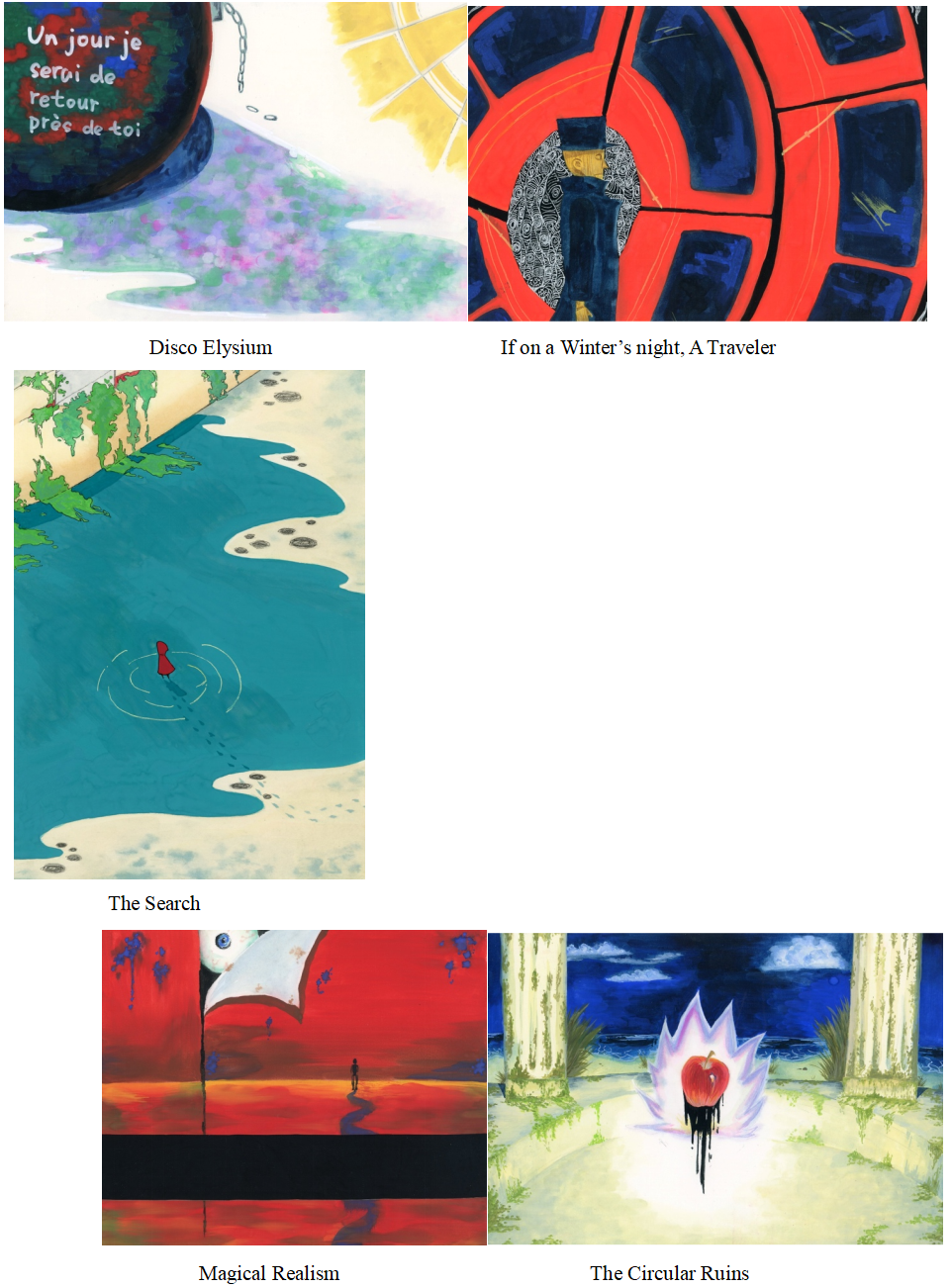
Natalie’s art and writings
Unknown Kingdom 未知国度
I am a kingdom 我是一座
with no history. 没有历史的国度
The treasury of the past 过去的宝库
is now empty and barren. 早已蒙尘灰暗
The path of future 未来的大道也拒绝向我敞开
refuses to embrace me; 也拒绝向我敞开
I ask the goddess of memory: 我叩问记忆的神明:
Where is the glory? 何处是辉煌?
I am responded 回应我的
with the emptiness in the sanctuary 只有大殿里的空虚
And 和
the faint dust of the cabinet. 密室里幽暗的灰尘
Author’s Note: The above poem was conceived when I was reading Rainer Maria Rilke’s Letters to a Young Poet. As I was reading how Rilke suggests young poets seek inspiration from their memory, I attempted to follow that advice. However, after a fruitless endeavor, my memories seemed to have evaded me, and what remained were merely some fragments of agony. These jesters’ play cannot be put into creation for others to read, for I agree with the statement “fine art requires a brain that thinks placidly.” Therefore, the gate of memory is locked, or even locked by Natalie herself. Dwelling on this, it occurred to me: doesn’t a person without memory just delicately resemble an empire without its history?
《没有历史的国度》:这首诗是在阅读里尔克《给青年诗人的信》时写的。当时,正看到里尔克建议青年诗人从回忆中寻找写作的素材,于是,我便也尝试着这么做。然而,一番思索后,发觉过往种种似乎都不堪回首,仅存的那些也都是痛苦的碎片罢了。这些东西是不能投入到供他人阅读的创作中去的,我同意那句话:“好的艺术作品需要从一颗冷静思考的大脑中生产。”因此,回忆的大门不仅紧闭,甚至可能是我自己把门锁上的。念及此处,有感而发,一个没有回忆的人,难道不像一座没有历史的国度吗?
丛林深处传来尖啸 Roar from the depths of the jungle
丛林深处传来尖啸 There is a roar from the jungle’s deep
你听见老虎狡猾稳健的步伐 You hear the tiger’s steady steps
你听见黑豹蓄势待发的喘息 You hear the panther’s cunning breath
丛林深处传来尖啸 There is a roar from the jungle’s deep
你听见野猪不安的啃食 You hear the boars’ unsettled tread
你听见鹿群惊慌的眼睛 You hear the deers’ flocking dread
丛林深处传来尖啸 There is a roar from the jungle’s deep
你听见杀人者跳动的心脏 You hear the murderer’s pumping heart
丛林深处传来尖啸 There is a roar from the jungle’s deep
死的竟是你 It is you who died
The hunt
He woke up hearing the growl coming from his throat. The ceiling was as lugubrious as before, and the sky was grey as usual, as if it had been like this since the prehistoric age. Attempting to sit up, he couldn’t help but notice that he had claws and fur now. The claws were fine because there was no exorbitant furniture for them to scratch. But the fur was annoying. Can’t imagine the inconvenience when it started to become the home of fleas. There was no god to whom he could exclaim, for he was a nonsectarian; nor did he have a life that could be ruined, for he professed nihilism. He was not aware of the nomenclature of this entity he was trapped in, nor the cause of the deep hunger inside him. It was a new experience, though it did not come with joy and excitement. Will have to notarize my identity at the police station, he thought, but I don’t suppose the reception would be as obsequious as it was before.
The clothes he used to wear could not bear him anymore. Fabrics were sliced like tissues into pieces under his paws. Need…to buy…new suits; he noted down clumsily, breaking two pencils in the process. He ended up squeezing his lower half into his biggest pair of trousers, and with a tie tangling around somewhere in the unkempt fur he could call a neck. Then, echoing with his drum-like footsteps, there was a knock on the door.
“Is everything okay?” It was his mother’s voice, “Why aren’t you at work already? Shouldn’t you have been gone half an hour ago? What’s with the noise?”
Roar. That was him trying to tell a joke and say, “I have a little furry problem.”
He tried to stand up laboriously with his hind legs but was impeded by the great pressure exerted on his backbone. The only way left was to turn the doorknob with his teeth or front claws, for the door was always locked and could not be opened from the outside at night during his dreamy slumber. No time to notarize myself, I guess.
Masticating an excuse in his mind, he managed to open the door with his canines, leaving a doorknob with deep bitemarks on it behind.
The door opened, pushed by his moist nose. There he saw his mother, covering her mouth, looking down at him with fear and disgust flickering in her eyes. He approached her through crawling. He could smell her. The strong desire to ingest haunted him. But there was no time to explain. He was late for work already. Plus, the dread only worsened when his mother heard him snarl, though he was only trying to speak.
It was a nightmare taking the subway to work when you metamorphose into a giant, hairy carnivore. The crowd swallowed him. The fragrance of flesh stirred his appetite. He could sense the people gazing at the saliva he was dripping on the floor. However, it was no good time to create a positive social image, for the most urgent task right now was to oppress his yearning to devour.
Focus on something else, he thought. Think of work. Oh, work. The manager will for sure yell at him again. As usual. “Why are you late? Did you lose the sense of time? Are we living under anarchy?” Honestly, what kind of questions are those? But you have to listen to him, still, if you want to keep your job. God, please let me keep my job; it’s nothing but an accidental tardiness. I can explain. I woke up this morning and found myself trapped in this predicament, and I didn’t have a choice. Please don’t fire me, I can’t risk losing this job. I have to feed my parents and my sister; their lives basically depend on me. My mother is old and my father is sick, my sister is still a student, and I have to get her into that art school. That’s her dream school I’m talking about. Have some mercy.
He walked, or clambered, on the subway station stairs, incidentally resenting his life, abhorring himself conveniently. The sky was as gloomy as the cold touch of a marble tomb. Who, on earth, said that tomorrow would be another day? Climate change and greenhouse gas emissions had clearly eliminated any possibility of that line coming true. As he was musing, the elevator arrived.
He tried to ask the unfamiliar stranger to push the eighteenth floor for him. Unfortunately, his colleagues did not seem to be able to understand him, and paced a few steps further away from him as if he were someone who asks favors from someone he didn’t know. Which, he thought, is simply not true. I’ve met him before. Several times. Well, it’s true that we may not have spoken before, but still, we know each other in some way. He had no choice but to stand up with his back legs and push the eighteenth floor himself, pushing the buttons all the way from the thirteenth to the twenty-first floor in the process.
As soon as the elevator dinged, he could hear the manager’s furious voice.
“I knew it.”
“I knew you would be late. Again.”
“What did I say last time? You be late one more time, and I will----”
The manager stopped, for the door had fully opened, and he could see his employee now.
The manager was silent for a while, making sure he wasn’t yelling at the wrong person. After a scrutiny, his eyebrows frowned with the wrath the employee was familiar with. He admitted he wasn’t expecting a moral epiphany from the manager after he discerned the unfortunate transformation he went through, so the indignation was foreseeable.
What he did not foresee was that he was assigned to work in an individual area fenced with straps labeled “under observation.” What observation? Are they worrying that I may distract others? Or do they think that my “laziness” this morning is dangerously infectious? He sat down in his seat, suppressing the lust to consume. He could feel the look of antipathy from his co-workers. Fine, it might be slightly true that a barbarous animal can have a light body odor and just has to growl once in a while.
Suffering from the great agony of desire, he tried to start his monotonous labor. The sharp nails of his pierced through the keyboard, and the sight of a beast did not inhabit him in an office. The chair could not withstand his weight. The cubicle could not endure his size. He needed to tear, he needed to bite, he needed to feel the pleasant obliteration tremoring between his teeth. His awareness of his behavior started to fade, and he almost lost control of his fangs. Subsequently, in order to keep his colleagues in pieces, the desk in front of him was unconsciously destructed. Destructed was a strong word, he thought. I merely turned the mousepad into a piece of abstract art. At least it looks a lot better than before, when it had the logo of the company on it. Yet, from the look on the manager’s face, he could tell that the entreaty he prepared on the subway was an absolute futility.
“Here’s the thing. It is hard for me to say, too, but you may want to take a little break. A vacation, a holiday, whatever you want to call it.”
Lying in bed, he was pondering. The manager said that he may want to “take a break”; he knew exactly what that meant. Not a good time to transform into a wolf, my friend. Not a good time. He wanted to formulate a plan for the impending future, while the severe starvation he’s been constraining raided him. He knew clearly that this ravaging hunger could in no way be gratified by drastic gorging.
Poor Lizzy. What would she say when she knows I can’t afford to send her to that college? Poor father. Hope my unemployment won’t further disturb him. He had enough on his plate dealing with those evil cells in him. Poor mother. Now I have lost my job, the burden would go to her, wouldn’t it? The housing loan, father’s medical expenses, Lizzy’s tuition, feeding me, the bills, the debt, Lizzy, father, mother…
He sat up and saw himself emerge from the dark, bathed in the flowing moonlight.
He stared in the mirror. The mirror, reflecting an enormous beast. Reflecting a huge composition of meat. Reflecting a cornucopia feast. The night darkened, and he could foresee the satisfaction he would soon immerse himself in.
He growled gently.
 social service2